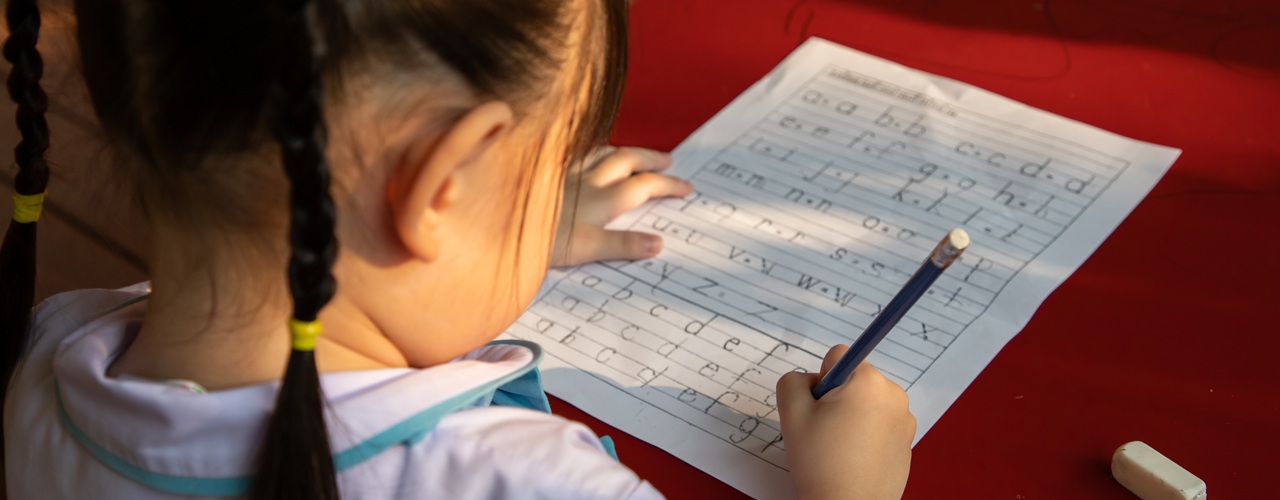
Play therapy for child development offers a powerful and effective method to support children in overcoming emotional, social, and behavioral challenges. This case study follows the journey of Sarah, a six-year-old girl, as she navigates the benefits of play therapy in enhancing her emotional well-being and social skills.
Patient Profile:
Name: Sarah (not her real name)
Age: 6
Diagnosis: Anxiety and social withdrawal
Lifestyle: Attends kindergarten, enjoys drawing and playing with dolls
Initial Presentation:
Sarah presented with significant anxiety and social withdrawal. Her parents reported that Sarah had difficulty interacting with peers, often preferring to play alone. She exhibited signs of distress in social situations and struggled to express her emotions verbally. These challenges affected her participation in school activities and her ability to form friendships.
Play Therapy Evaluation:
Assessment of Symptoms:
- Sarah exhibited symptoms of anxiety, including nail-biting and avoidance of social interactions.
- She showed reluctance to engage in group activities and often isolated herself during playtime.
- Her parents noted frequent mood swings and episodes of crying without clear triggers.
- She had difficulty communicating her feelings and often used physical cues like clinging or hiding.
Initial Evaluation:
- Observation during play sessions revealed Sarah’s preference for solitary play and her use of repetitive behaviors to self-soothe.
- Interaction with toys and play scenarios indicated underlying fears and insecurities.
- Sarah’s reluctance to play pretend or collaborative games suggested difficulties in social integration and imagination.
Diagnosis:
Based on the comprehensive evaluation and her behavior, Sarah was diagnosed with anxiety and social withdrawal. The contributing factors included:
- Difficulties in expressing emotions.
- Lack of confidence in social settings.
- Previous negative experiences with peers.
Treatment Approach:
Sarah’s treatment plan, developed by her Therapy In Motion therapist, was tailored to address her unique needs and support her emotional and social development. The step-by-step approach to her recovery included:
Education:
Sarah’s parents were educated on the benefits of play therapy for child development. They learned about the therapeutic potential of play in helping children express emotions and build social skills.
Engaging in Therapeutic Play:
Directive Play Therapy:
- The therapist guided Sarah through structured play activities designed to address specific issues. For example, they used puppets to role-play social scenarios, helping Sarah practice interactions in a controlled setting.
Non-Directive Play Therapy:
- Sarah was also allowed free play to explore her emotions and experiences at her own pace. This approach gave her autonomy and helped her gain confidence in expressing herself.
Building Emotional Awareness:
Her therapist used art and storytelling to help Sarah identify and articulate her feelings. Drawing and painting activities provided a non-verbal outlet for her emotions, while storytelling helped her understand and process her experiences.
Social Skill Development:
Group play sessions were introduced gradually to help Sarah practice social interactions in a supportive environment. Games that required cooperation and communication were used to build her confidence and social skills.
Parental Involvement:
Sarah’s parents were involved in the therapy process, and they learned techniques to support her at home. They were encouraged to engage in therapeutic play activities with Sarah and reinforce positive social interactions.
Notable Improvements:
- Sarah showed significant progress.
- She began to engage more confidently in play sessions and express her emotions more openly.
- Sarah’s anxiety levels decreased, as evidenced by reduced nail biting and a greater willingness to participate in social activities.
- She started to initiate interactions with peers, showing increased confidence in group settings.
- Sarah used verbal communication more effectively to express her needs and feelings.
- Her mood swings lessened, and she displayed a more stable emotional state.
The Role of Play Therapy for Child Development
Play therapy for child development proves to be a powerful tool in helping children like Sarah overcome emotional and social challenges. Through structured and unstructured play, children can explore their feelings, develop coping strategies, and build essential social skills. At Therapy In Motion, our dedicated play therapists are committed to supporting children’s growth and development through the power of play.
Get Started Today for Your Child’s Emotional and Social Growth
Early intervention through play therapy can transform a child’s future. If your child is struggling with emotional or social challenges, contact Therapy In Motion today to learn how our expert team can support their development. By addressing these challenges early, we provide children with the tools they need to reach their full potential!