
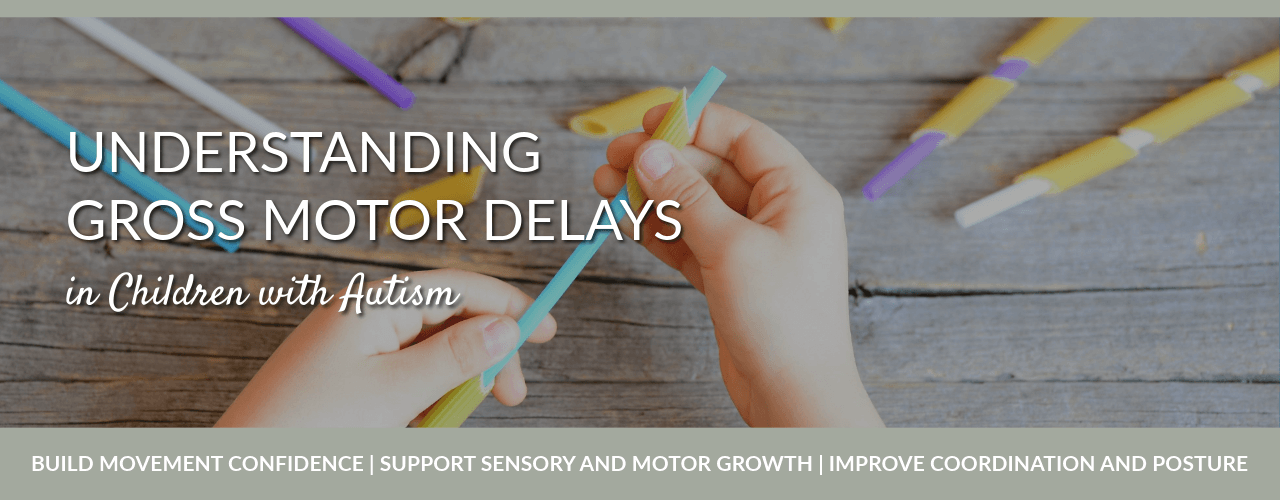
When parents first notice differences in how their child moves, climbs, or balances, it can raise understandable concerns. In children with autism, these motor skill differences are not just common; they can be an essential part of the child’s developmental profile. Many children on the autism spectrum experience delays in large muscle activities like walking, jumping, or coordination tasks. Recognizing this connection between gross motor delays and autism is key to getting timely, effective support through pediatric physical therapy at Therapy In Motion.
Understanding Gross Motor Skills
Gross motor skills are the foundational movements that involve the large muscle groups of the body. They aren’t just skills for playground fun but are essential for a child’s independence, safety, and confidence.
Some of the major gross motor skills include:
- Sitting upright without support
- Crawling and walking
- Running and jumping
- Climbing stairs
- Throwing and catching
- Balancing on one foot
These movements lay the groundwork for daily function. They affect how children explore their environment, engage with peers, and navigate the world. When these skills are delayed, it can lead to difficulties in physical ability, emotional regulation, and social interaction.
Why Are Gross Motor Delays Associated with Autism?
While autism is primarily associated with challenges in social communication and behavior, motor skill development is often impacted as well. Here’s why:
- Children with autism may have altered motor planning or coordination, making it harder to learn and execute physical movements.
- Difficulty processing sensory input can affect balance, spatial awareness, and motor confidence.
- Some children on the spectrum experience hypotonia, or reduced muscle tone, which impacts strength and stability.
- Because physical development often relies on copying movements, delayed imitation skills can slow progress in gross motor development.
This link between gross motor delays and autism is not incidental. It reflects a deeper neurodevelopmental pattern that pediatric physical therapists are trained to assess and address.
When Should I Seek Care for My Child?
Knowing what to look for can make a significant difference for a caregiver. You may want to seek a pediatric physical therapy evaluation if your child:
- Walks with an unusual gait or posture
- Avoids physical play or gets tired easily
- Struggles with balance or coordination
- Has difficulty climbing, jumping, or navigating uneven surfaces
- Has trouble sitting still or maintaining posture
How Physical Therapy Helps Children with Autism
Pediatric physical therapy is vital in helping children on the spectrum reach their full motor potential. The goal is not just to improve strength or coordination, but to build functional independence and confidence in movement. Some of the therapeutic strategies we use at our clinic include:
- Core strengthening to improve posture and stability
- Balance training using obstacle courses, stability balls, or balance beams
- Coordination activities such as catching, kicking, or riding scooters
- Motor planning exercises that teach children how to sequence movements
- Sensory-integrated movement to help children tolerate and respond to different textures, surfaces, or inputs
We work closely with families to ensure skills carry over into home and school environments. Interventions are playful, goal-driven, and adjusted to each child’s sensory and communication needs.
The Benefits of Early Intervention
Supporting gross motor skills is about more than improving physical abilities. It can directly impact a child’s emotional, social, and cognitive development.
Some benefits of physical therapy for children with autism and motor delays include:
- Improved participation in play, sports, and group activities
- Increased safety in daily tasks like walking up stairs or crossing the street
- Reduced frustration and meltdowns related to movement challenges
- Greater independence in self-care activities like dressing or bathing
- Enhanced sensory regulation through structured movement
The earlier a child’s intervention begins, the better the outcomes. Our PTs can identify subtle movement patterns and intervene before challenges become barriers.
Explore Support That Moves with Your Child
Gross motor development is one of the most powerful ways children interact with the world. When movement is challenging, it can limit not just physical potential, but emotional and social growth as well. Understanding and addressing gross motor delays in autism is critical in helping children thrive in all areas of life.
If your child is showing signs of motor delays and is on the autism spectrum, know that support is available and effective. The team at Therapy In Motion specializes in helping children build strength, coordination, and independence, one step at a time.
Schedule an appointment at our Olathe, KS clinic today to get started.




Leave a Reply