
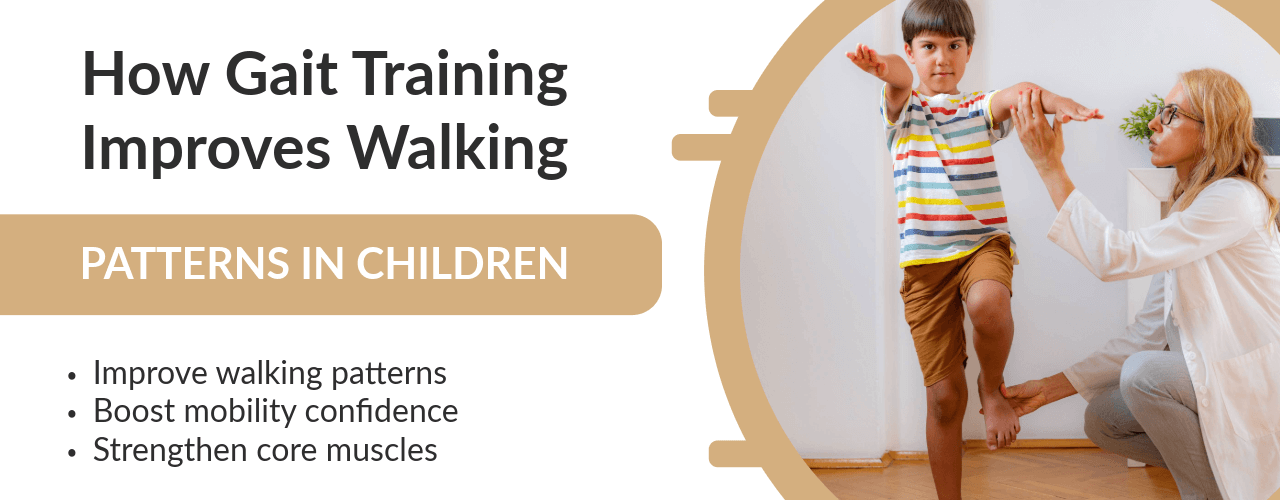
Walking may seem simple, but for many children, developing a natural, balanced stride takes time and support. When a child’s walking pattern is uneven, inefficient, or delayed, it can impact their ability to play, move independently, and fully participate in everyday activities. Fortunately, Therapy In Motion offers gait training for kids, which helps children develop smoother, safer, and more functional walking patterns tailored to their unique needs.
Why Do Some Children Develop Improper Walking Patterns?
Children can develop abnormal walking patterns for many reasons. Some children are born with neurological or muscular conditions that affect balance and coordination. Others may have experienced an injury, undergone surgery, or faced developmental delays that make walking more difficult. Even something as simple as poor posture habits or weak core muscles can influence how a child walks.
Unfortunately, this is not something kids will grow out of. In fact, when gait issues go unaddressed, children often compensate with altered movements that can have long-term effects.
For example, let’s say a child has muscle tightness that causes them to walk on their toes. While this adjustment may help them get from point A to point B, it puts stress on joints and muscles, creates fatigue, and sometimes leads to pain or additional mobility challenges later in life.
Addressing these issues early is key. Our pediatric physical therapists will work with your child to address the underlying factors causing their gait difficulties, ensuring they receive care that supports healthy long-term development.
How Pediatric Physical Therapy Guides Functional Walking
Gait training for kids is much more than practicing walking in a straight line.
Step 1: Assessment
The process begins with a comprehensive assessment of your child’s muscle strength, joint mobility, balance, and coordination. We also evaluate how sensory processing, motor planning, and overall body alignment affect your child’s movement pattern.
Step 2: Custom Treatment Plan
Once we understand your child’s needs, we create an individualized gait training program. The details will vary from child to child, but might involve strengthening exercises to support core and leg muscles, stretching to improve mobility, or balance work to stabilize each step.
We want to make therapy as fun as possible. Whenever we can, we incorporate fun, play-based activities so your child will stay engaged and motivated while learning new movement strategies.
Some kids might benefit from assistive devices, like a walker or orthotics. These devices help kids practice correct movement while their muscles and joints adapt.
Step 3: Enhanced Overall Mobility
When used consistently, gait training for kids can create remarkable improvements. Children often gain greater walking efficiency, improved endurance, and a stronger sense of independence. This leads to better participation in school, sports, and social activities, all while reducing the risk of long-term complications from improper movement.
Gait Training for Kids: Beyond the Basics
We take a highly specialized approach to gait training, focusing on restoring proper mechanics and teaching children how to move with symmetry and confidence. This might include:
- Practicing weight shifting to improve balance
- Training for heel-to-toe walking to reduce toe-walking habits
- Strengthening stabilizing muscles for more fluid movement
- Enhancing sensory awareness so children understand where their bodies are in space
The ultimate goal is to help children achieve a stride that feels natural, safe, and sustainable. We also guide families with at-home exercises and strategies, reinforcing progress outside the clinic and building consistency in everyday life.
Building Confidence, One Step at a Time
Pediatric gait training builds confidence, independence, and a stronger sense of what children can achieve. With the right support, kids often feel more comfortable exploring their world, which enhances social interaction and emotional well-being. Parents also gain peace of mind knowing their child is receiving evidence-based care tailored to their growth and abilities.
If your child struggles with walking patterns or seems to have difficulty keeping up with peers, now’s the time to seek support. Personalized care through Therapy In Motion can make a meaningful difference, helping your child develop the skills needed for a healthier, more confident future.

Leave a Reply