
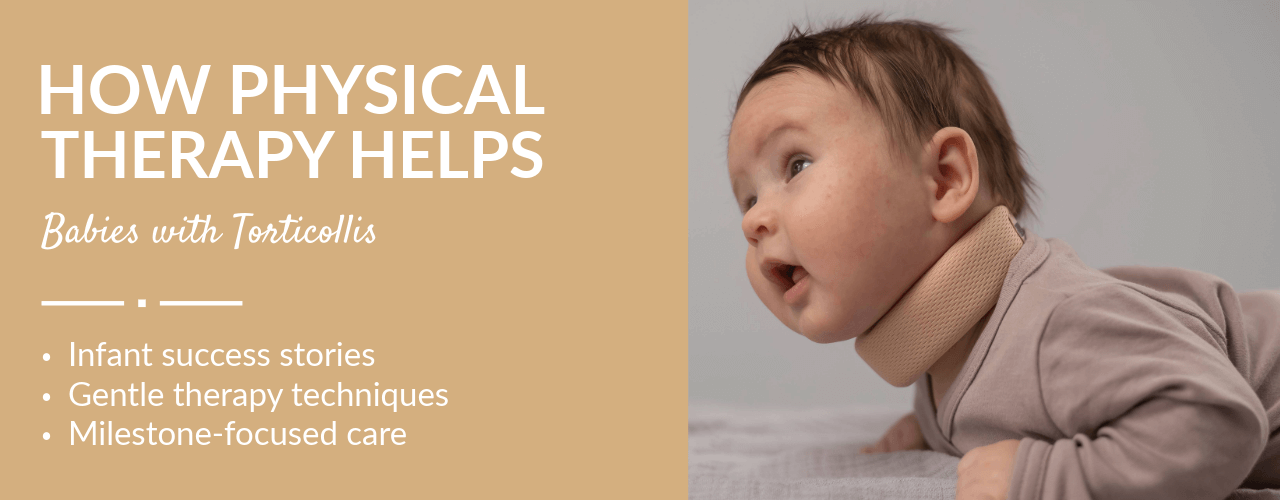
Torticollis is an alarming but common condition that affects infants, causing them to hold their head tilted. Fortunately, the results of torticollis physical therapy can be life-changing.
At Therapy In Motion, we regularly see the benefits of torticollis treatment. Babies who start therapy with noticeable head tilts and restricted movement often make remarkable progress when given the right tools and care.
Today, we want to share the story of one baby’s journey through pediatric physical therapy and how we helped him overcome the challenges of torticollis to reach important developmental milestones.
Recognizing the Signs: Early Symptoms of Torticollis
When this young patient first came to Therapy In Motion, his caregivers had already noticed some concerns. The baby preferred turning his head to one side and had difficulty holding it in a neutral position. He also showed signs of asymmetry in head shape and had trouble tolerating tummy time, a crucial activity for motor development.
These are common symptoms of congenital muscular torticollis, a condition that occurs when the neck muscles become tight or shortened, often due to positioning in the womb or after birth. Left untreated, torticollis can interfere with visual tracking, symmetrical motor development, and the ability to meet early movement milestones like rolling, crawling, or sitting independently.
The baby’s parents were eager to support their child’s development, which was why they sought out torticollis physical therapy.
Personalized Evaluation and Targeted Therapy
Our pediatric physical therapy team began with a thorough evaluation, carefully assessing the baby’s neck mobility, head alignment, muscle tone, posture, and gross motor skills. As we do with all of our patients, we wanted to create a truly personalized program tailored to the baby’s needs.
For this patient, therapy sessions focused on the following goals:
- Improving range of motion in the neck and shoulders
- Promoting symmetrical head movement and postural alignment
- Strengthening trunk and core muscles for motor development
- Educating caregivers on positioning and play techniques for home
Treatment involved gentle manual stretching, age-appropriate motor activities, and guided therapeutic play designed to be engaging and developmentally enriching. We also provided hands-on instruction to the baby’s family, empowering them to continue therapeutic activities at home between sessions.
Consistency is key in torticollis physical therapy, and this family’s dedication was evident from the start. A combination of clinic-based treatment with frequent at-home practice helped the baby show early signs of improvement within a few weeks.
Building Strength and Confidence Through Torticollis Physical Therapy
As therapy progressed, the baby demonstrated increasing control over head movements, more tolerance for tummy time, and improved use of both sides of the body during play.
One of the most rewarding milestones came when the baby could independently maintain midline head position during sitting and floor play. With better postural control and muscle balance, he began rolling with ease, exploring his environment with curiosity and confidence.
We continued to adjust the care plan based on the baby’s developmental stage, ensuring that each session built upon new skills. Every small gain laid the groundwork for future abilities, including crawling, reaching, and eventually walking.
Today, this young patient is thriving. His neck range of motion has significantly improved, and he’s enthusiastically meeting age-appropriate motor milestones. He moves more freely, plays with greater balance, and explores the world around him without limitations.
Pediatric Physical Therapy Creates a Stronger Start For Kids with Torticollis
This success story is just one example of how torticollis physical therapy can positively shape a baby’s developmental journey. With expert support, individualized care, and family involvement, babies with torticollis can overcome early challenges and gain the physical foundations they need for lifelong movement and function.
At Therapy In Motion, our pediatric physical therapy team is committed to delivering compassionate, evidence-informed care that meets the needs of each child and their family. We understand the concerns that come with early developmental differences, and we’re here to help.
If you’re concerned about your child’s head position, motor development, or posture, don’t wait. Contact Therapy In Motion to learn how our pediatric specialists can support your baby’s growth and development through personalized pediatric physical therapy.





Leave a Reply