

Is your baby always turning their head to one side? Have you noticed a flat spot on their head or trouble with tummy time? You may be dealing with congenital torticollis, a condition many parents have never heard of until it affects their child.
But here’s the good news: With early intervention and the right guidance from the team at Therapy In Motion, most babies with torticollis can make a full recovery!
If you’re feeling confused or concerned, you’re not alone. Let’s walk through what this condition means, why it matters, and how pediatric physical therapy can help.
What Exactly Is Congenital Torticollis?
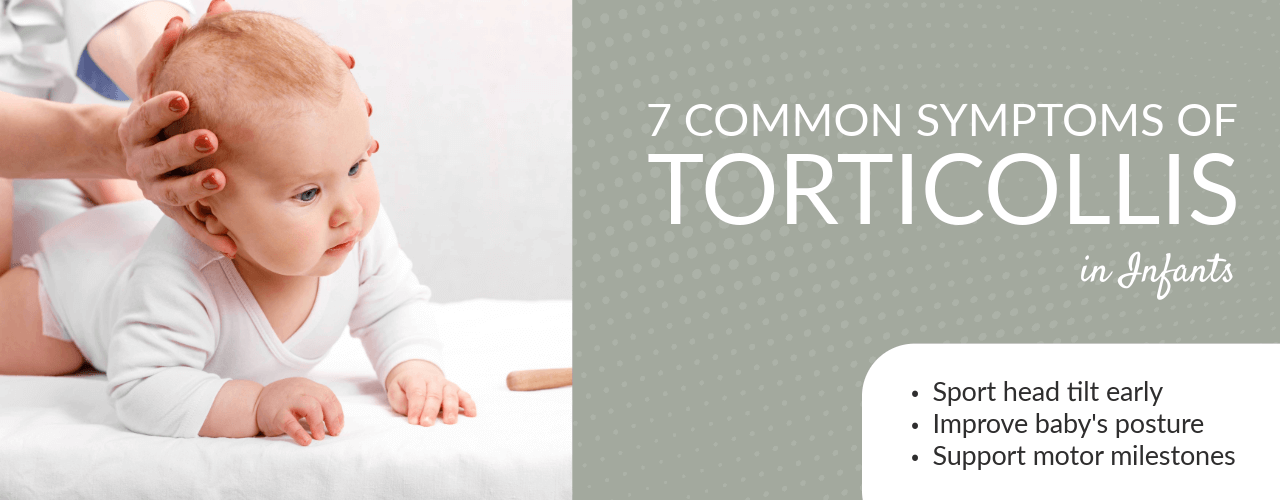
Torticollis means “twisted neck” and typically appears in newborns or infants within the first few weeks of life. It’s usually caused by tightening or shortening of a specific muscle that runs along the side of the neck. This tightening can occur due to positioning in the womb or birth trauma, but it can also appear in babies with no clear cause.
The muscle restriction causes the baby’s head to tilt to one side, leading to a severely restricted range of motion in the baby’s neck. Physical therapy helps by gently improving neck motion, supporting symmetrical development, and preventing related issues like flat head syndrome.
Five Things Every Parent Should Know About Torticollis
1. Early Detection Makes All the Difference
The earlier congenital torticollis is identified, the easier it is to treat. Pediatric physical therapy is most effective when started before the baby is 3 to 4 months old, as infants at this stage are more responsive to gentle intervention and have not yet developed strong habits or secondary complications.
2. Torticollis Affects More Than Just the Neck
Although the condition starts with tightness in a neck muscle, torticollis can affect more than just how your baby turns their head. Over time, it can lead to delays in motor skills like rolling, crawling, or sitting. Some babies may also show an overall body imbalance, favoring one side during movement or play.
Pediatric physical therapy helps address these issues by supporting symmetrical development through guided movement, body awareness, and positioning support.
3. Flat Spots Are Another Common Side Effect
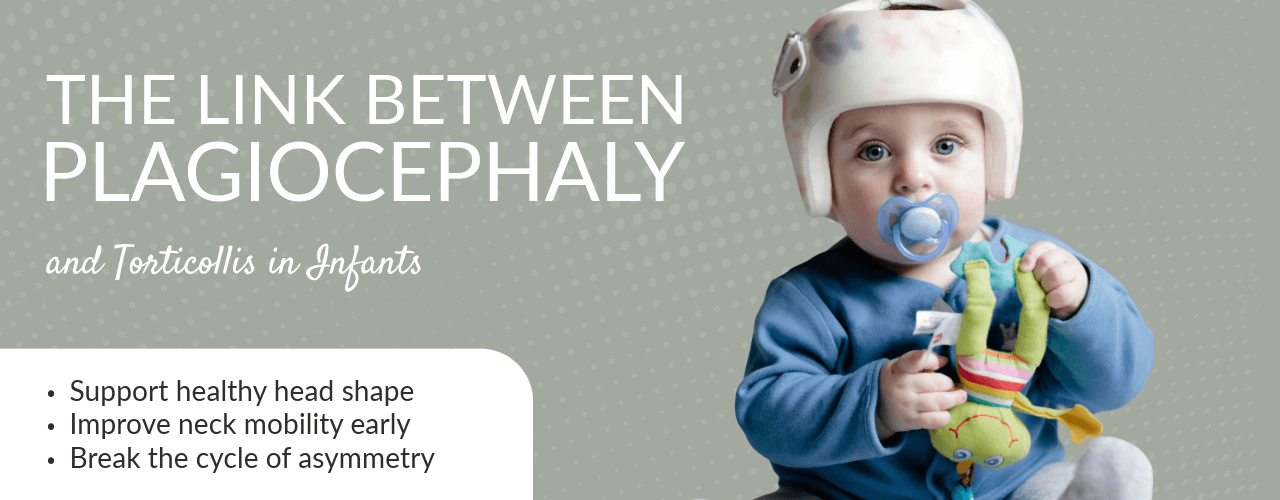
Many babies with torticollis develop a flat spot on the back or side of their head, known as plagiocephaly. This often occurs because the baby consistently rests in the same position.
While a flat spot may seem minor, if left unaddressed, it can impact head shape and facial alignment. Pediatric physical therapists work with families to encourage repositioning techniques and neck mobility, helping to relieve pressure on the flattened area and promote a more even head shape.
4. Torticollis Has No Quick Fix, But It’s Highly Treatable
Although there isn’t an overnight solution for torticollis, the condition is highly treatable with consistent care. Most babies show significant progress within a few months of starting therapy. The key is regular follow-through, both in therapy sessions and during daily routines at home.
With guidance from a pediatric physical therapist and strong parent involvement, most infants recover fully without surgical intervention.
5. Each Baby is Unique (And So Is Their Care Plan)
No two babies with congenital torticollis are the same, which is why individualized care is so critical.
During your first visit, one of our pediatric physical therapists will assess your baby’s head and neck movement, strength, and motor skills. From there, we’ll create a personalized treatment plan based on your child’s age, specific needs, and your family’s goals. This tailored approach ensures that your baby gets the care that’s just right for them.
We’re Here to Help Manage Torticollis
Early movement shapes how babies explore their world. Addressing congenital torticollis now can help your child reach important milestones with comfort and confidence.
If you’re ready for answers, Therapy In Motion is here to help. Our experienced pediatric physical therapists will assess your child’s needs, explain every step, and build a gentle care plan that works for your family.
Contact our Olathe, KS clinic today to schedule an evaluation and take the first step toward your baby’s healthy development.



Leave a Reply