
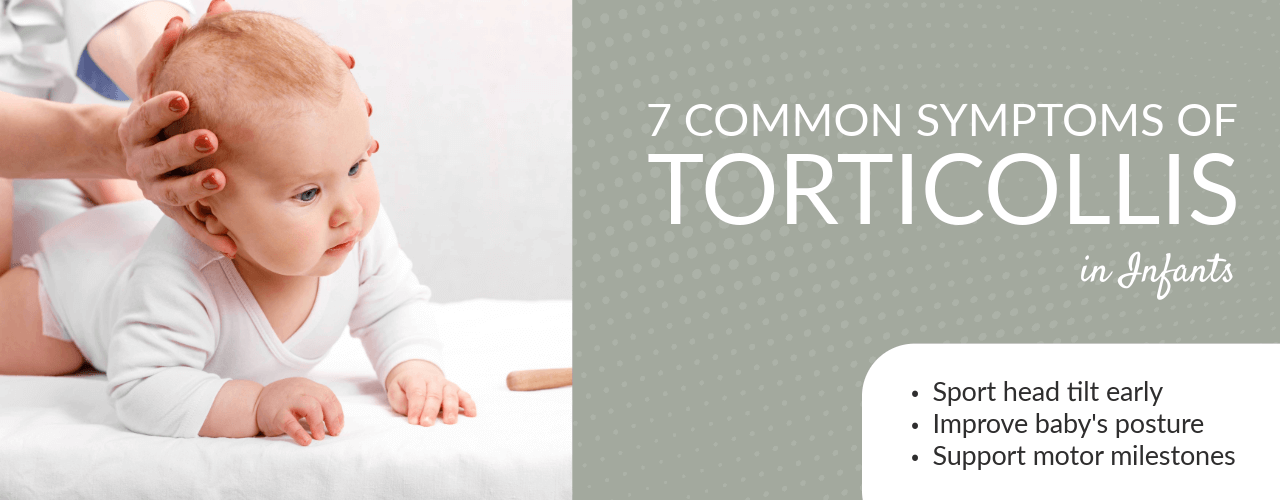
Is your baby tilting their head often? Do they seem to favor one side when looking around? Are you noticing small differences in their posture or movements? These might not just be quirks of early development. In fact, all three of them are torticollis symptoms in infants.
Torticollis is a condition where an infant’s neck muscles are tight or imbalanced, causing their head to tilt to one side. It can develop before birth due to positioning in the womb or after birth from prolonged time in one position. While it can seem alarming, pediatric physical therapy at Therapy In Motion can help your child make excellent progress.
However, early recognition can make all the difference. Parents might notice something is off with their child’s head positioning, but they don’t always know what it means. That’s why we’ve prepared this guide with seven signs to watch out for.
On the Look-Out for Torticollis: Have You Noticed These Symptoms in Your Child?
1. Head Tilt That Doesn’t Seem to Go Away
One of the most noticeable torticollis symptoms in infants is a consistent head tilt. For example, you may see your baby’s head leaning to one side, or it may look like they are always “posing” in the same direction. This could signal muscle tightness that needs attention.
2. Limited Neck Movement
Another key sign is when your baby has trouble turning their head in both directions. They may seem to resist looking in a certain way, but this is due to their neck’s limited range of motion. You’ll often notice this symptom during diaper changes, tummy time, or playtime.
3. Flat Spot on One Side of the Head
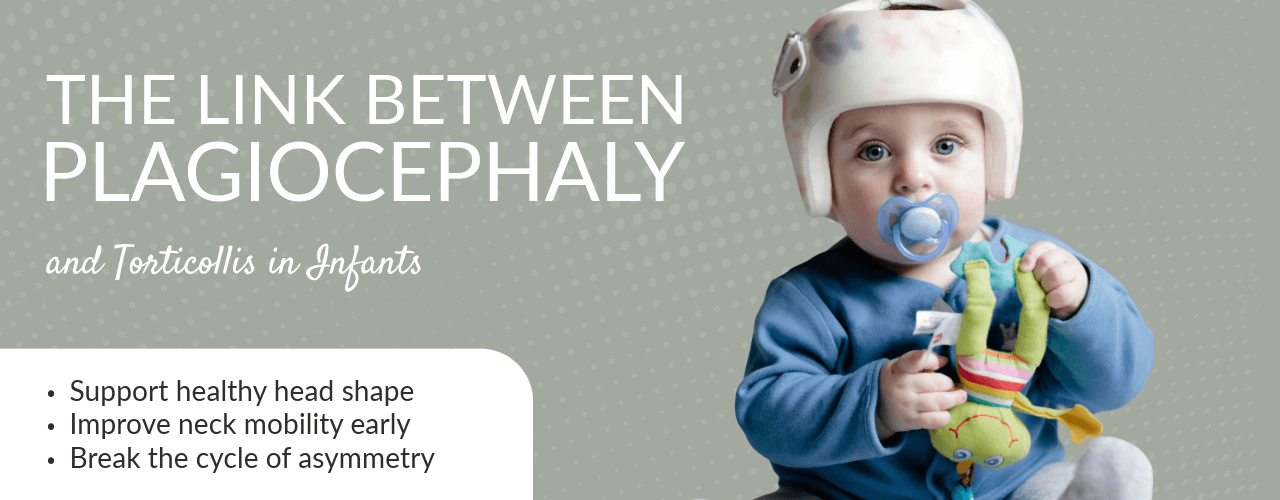
A flat spot on your baby’s skull (called positional plagiocephaly) often appears with torticollis. It occurs because babies with torticollis tend to rest their head in one position. Over time, this can cause uneven shaping. Addressing torticollis can help reduce pressure on one side of the head, improving head shape as your baby grows.
4. Favoring One Side During Play
Your child may show a strong preference for one side, ignoring toys or people on the opposite side. Encouraging balance movement helps with coordination, visual development, and motor skills.
5. Trouble During Tummy Time
Many parents notice that babies with torticollis struggle with tummy time. They may cry, fuss, or keep their head tilted even on their tummy. Some babies may avoid lifting their head altogether.
6. One Shoulder Appears Higher Than the Other
Look closely at your baby’s posture. If one shoulder sits higher or looks uneven, this may be another sign of torticollis.
7. Delayed Motor Skills
Infants with untreated torticollis may experience rolling, sitting, or crawling delays, as limited neck and trunk movement can slow progress toward these key milestones.
Finding Help with Pediatric Physical Therapy
Fortunately, pediatric physical therapy is essential in addressing the challenges associated with torticollis. Our team specializes in improving movement, posture, and overall development. To address torticollis symptoms in infants, we can:
- Perform a gentle assessment of your baby’s movement and posture.
- Create a customized treatment plan to improve neck range of motion and balance.
- Teach you positioning strategies to support progress at home.
Starting therapy early gives your baby the best chance at a quick, comfortable recovery.
Worried About Your Baby’s Neck Position?
If you recognize any of these torticollis symptoms, early support makes all the difference. Contact Therapy In Motion today to schedule an evaluation and give your baby the best start possible.



Leave a Reply