
Have you recently learned that your child has positional torticollis? We understand that you may feel alarmed, but fortunately, torticollis is highly treatable, especially with help from the team at Therapy In Motion.
Not All Torticollis Is the Same: Understanding the Basics
Torticollis simply means “twisted neck.” But there are actually two types of torticollis that can affect babies:
- Congenital muscular torticollis develops after birth. It’s related to muscle tightness in the neck, often due to how the baby was positioned in the womb or during delivery.
- Positional torticollis, also called acquired or postural torticollis, develops after birth and is caused by spending too much time in one position, usually lying on the back.
Our team can treat both, but the strategies are a little different.
Positional torticollis typically responds well to repositioning techniques, guided play, and caregiver education to encourage symmetrical movement. In contrast, congenital torticollis often requires gentle stretching, hands-on techniques, and targeted exercises to release tight neck muscles and restore a full range of motion.
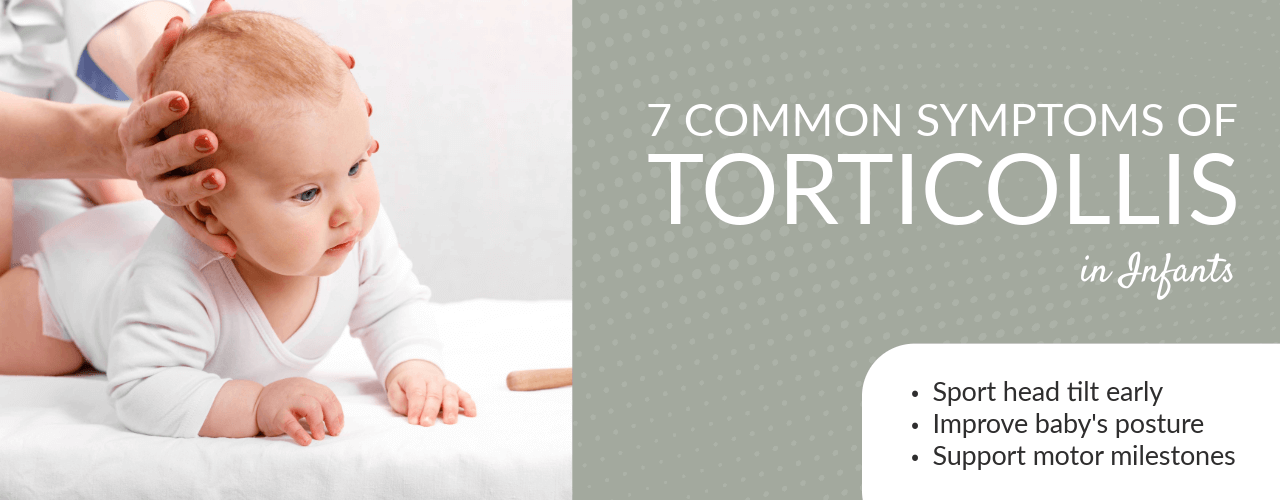
Signs of Torticollis
- The head always turned to the same side
- Head tilt that doesn’t resolve during play
- Flat spot on the back or side of the head
- Preference for feeding on one side
- Trouble turning the head both ways
If you notice one or more of these signs, schedule an evaluation at Therapy In Motion! We can assess your child’s needs and suggest a treatment plan.
Positional Torticollis: Six Must-Know Facts for Parents
1. Babies’ Heads Are Still Soft and Malleable
Your baby’s skull is still forming in the first months of life, so lying in one position too often can cause flat spots or favoring one side. This can lead to a head tilt or preference for turning in one direction.
What You Can Do
- Vary your baby’s position during playtime, feeding, and sleep (always following safe sleep guidelines).
2. It’s Often Linked to Time Spent in Car Seats and Swings
Devices like carriers, rockers, and swings hold your baby’s head in place. When used too frequently, these positions can contribute to positional torticollis. While they’re certainly helpful tools, they should be used in moderation.
What You Can Do
- Use floor time and supervised tummy time to allow your baby to move freely.
3. It Can Affect Head Shape
One of the side effects of torticollis is plagiocephaly, a flat spot that develops on one side of the head. While these changes are purely cosmetic, they can worsen if not addressed.
What You Can Do
- Pediatric PTs monitor both head shape and movement patterns to guide safe correction.
4. It Doesn’t Usually Involve Muscle Tightness
Unlike congenital torticollis, positional torticollis is not typically caused by tight neck muscles but by habits and positioning patterns. However, if left unaddressed, the muscles can become tight over time.
What You Can Do
- Early intervention with a pediatric physical therapist can prevent this progression.
5. It May Be a Sign Your Baby Needs More Movement Variety
Babies learn through movement, so they miss opportunities to build balanced strength if they’re always turning one way. This can influence rolling, crawling, and other milestones.
What You Can Do
- Work with our PTs to create play-based routines to support balanced development.
6. Early Treatment Supports Long-Term Development
The earlier you address torticollis, the better your child’s outcomes will be. Most babies improve with gentle, consistent strategies. Remember, we always tailor our physical therapy programs to your baby’s age, needs, and development stage.
What You Can Do
- Don’t wait and see. Early guidance makes a big difference.
Take the First Step Toward Supportive Care for Torticollis
Positional torticollis can be alarming initially, but most babies respond quickly to therapy and positioning guidance.
If you have concerns, the best time to act is now. Contact Therapy In Motion to schedule a pediatric physical therapy evaluation. We’ll help you understand your baby’s needs and guide you every step of the way.





Leave a Reply