
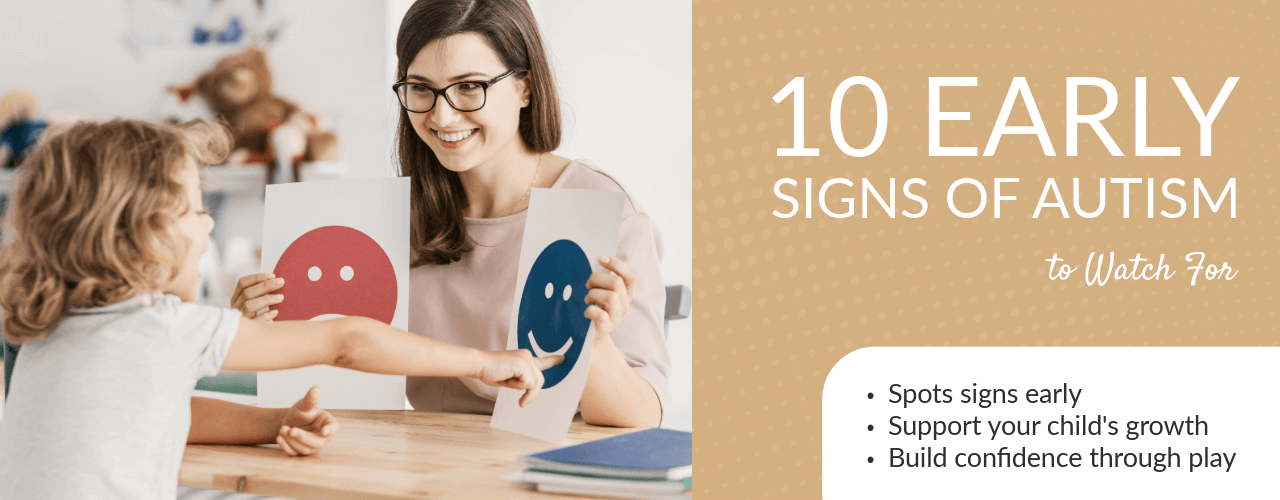
Spotting early signs of autism can make a huge difference in your child’s growth and development. The earlier you spot the signs, the sooner your child can connect with resources to help them build skills, gain independence, and boost their overall confidence.
At Therapy In Motion, our team of pediatric physical therapists plays a key role in supporting children on the spectrum, especially those with motor development, movement coordination, and sensory needs.
However, you need to be familiar with the early signs of autism to spot them! Below, we share some of the cues to look out for. If you notice any of these in your child, don’t hesitate to schedule an appointment at our Olathe, KS clinic.
Watch for These Autism Signs: Our Team Can Help Address Them
1. Delayed Gross Motor Milestones
If your child is slower to crawl, walk, or run than their peers, it could be a sign to explore. Our team can help assess whether delays are related to motor challenges often seen in autism.
2. Poor Balance and Coordination
Frequent tripping, bumping into objects, or struggling with playground activities can indicate challenges with body awareness. Pediatric therapy can support these skills through tailored play-based activities.
3. Limited Interest in Movement Play
Some children with autism show little interest in climbing, swinging, or playing active games. This may indicate sensory processing differences that our pediatric physical therapists can help address.
4. Stiff or Unusual Movement Patterns
Walking on their toes, stiff movements, or repetitive motions like hand-flapping often go unnoticed early on in kids with autism. However, these patterns can provide important clues and are worth discussing with a pediatric specialist.
5. Difficulty Imitating Movements
Children typically learn by copying others. If your child struggles to mimic simple gestures or movements, it could be one of the early signs of autism. Physical therapy can help improve imitation skills in fun and engaging ways.
6. Sensory Sensitivities During Play
Does your child avoid certain textures, sounds, or movement activities? Sensory sensitivities often affect participation in everyday play, and we’re trained to help kids work through these challenges so they can stay active.
7. Uneven Muscle Tone
Some children with autism have noticeably stiff or floppy muscles. This can impact posture, balance, and endurance for play and self-care. We can assess and create strategies to support better function.
8. Avoiding Eye Contact During Activities
If your child rarely looks at you during games or shared tasks, this may signal social communication differences. Our therapy sessions often integrate movement and interaction to encourage connection.
9. Repetitive or Rigid Play Styles
Children on the spectrum may line up toys, repeat the same movements, or resist trying new games. These behaviors can limit physical and social development, but we can address them through guided, supportive interventions.
10. Difficulty Transitioning Between Activities
Does your child struggle when switching between tasks, especially physical ones? Trouble with transitions is common in autism and can affect participation in school or group play. We can help your child practice flexibility in a safe and structured way.
Why Noticing These Early Signs of Autism Matters
Recognizing these early signs of autism helps families take action sooner. Children who receive support early are more likely to build strong physical skills, adapt to sensory challenges, and thrive in everyday environments. Pediatric physical therapy at Therapy In Motion can play an important role in this process, creating a foundation for future growth.
If you’ve noticed any of these signs in your child, contact our team for guidance and support. We can help you take the next step toward understanding your child’s needs and building a plan for success.



Leave a Reply